Publicité
Vineet Jugessur, FCCA : “A financially healthy business is predictable, controlled and secure from a cash flow perspective”
 Par
Jameela Jaddoo
Par
Jameela Jaddoo
Publié le:
16 janvier 2026 à 07:59





 Par
Jameela Jaddoo
Par
Jameela Jaddoo
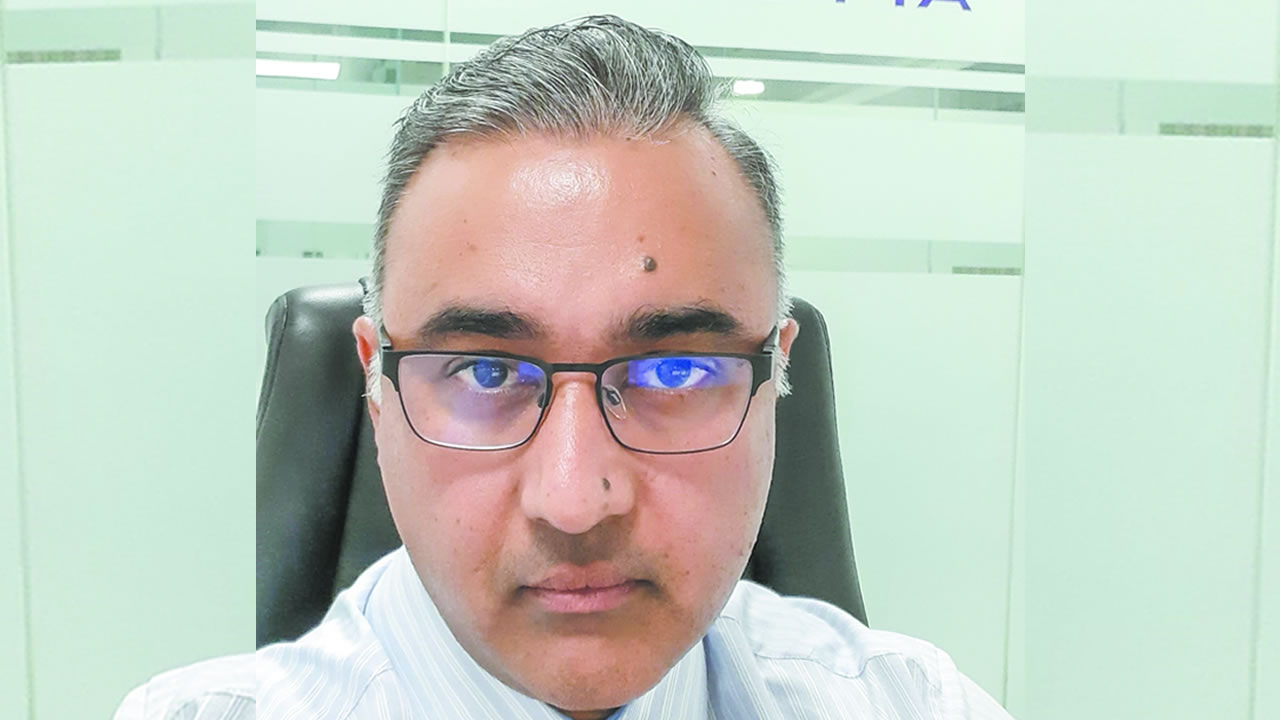
Busy doesn’t mean profitable. In this interview to News on Sunday, Vineet Jugessur, FCCA, breaks down the financial mistakes Mauritian SMEs make in their early years, from weak pricing and late collections to reactive VAT and payroll planning and shares a simple 30-day reset to regain control.
A healthy SME should be able to say: “Even without the grant, my business can operate, pay its bills and grow
In Mauritius, what are the most common financial mistakes you see SMEs make in their first 12–24 months?
The most common mistake is confusing sales activity with financial health.
Many entrepreneurs are extremely busy selling, delivering, hiring, paying dues yet they do not actually know if the business is making money or not.
Unfortunately, they start without a proper pricing structure, no real cashflow forecast, and very often without separating personal and business finances. VAT, payroll deductions and supplier payments are handled reactively rather than planned. When cash becomes tight, the business starts depending on overdrafts, personal loans or delayed payments which attracts penalties and hence stress enters the picture.
In Mauritius, I also see many SMEs underestimating how quickly taxes and statutory payments can drain cash if they are not planned monthly. The result is a business that looks alive but is financially fragile.
What’s the difference between a business that “sells well” and a business that is actually financially healthy?
A business that sells well is busy. A financially healthy business is predictable, controlled and secure from a cash flow perspective.
Healthy businesses know:
Selling well can hide serious problems especially poor pricing, excessive discounts, wastage, payroll creep and late client payments. Financial health is about control, not noise.
A simple rule I often give entrepreneurs is: If your business cannot predict its bank balance 30 days ahead, it is not financially safe even if sales are high.
Many SMEs struggle with late payments. What practical strategies work locally for improving collections without losing clients?
Late payments are one of the biggest silent killers of Mauritian SMEs. Simple but powerful actions include:
What improves collections most is consistency. Clients pay serious businesses seriously. When invoicing and follow-ups are disciplined, payment behaviour improves naturally without damaging relationships.
A lot of entrepreneurs’ price based on competitors, not costs. What is your simple method to price properly while protecting margins?
I recommend using a simple three-step method:
If pricing starts with competitors instead of costs, margins silently disappear. This is how many SMEs end up “busy but broke”. The market does not pay your bills, your pricing must.
What basic internal controls should even a 3–5 person SME put in place to avoid leakages and fraud?
Very simple controls already make a huge difference:
Controls are not about mistrust they are about protecting the business and the people inside it.
What are the compliance “landmines” for SMEs in Mauritius that can trigger penalties or cashflow shocks?
The biggest landmines are:
Penalties hurt, but the real danger is unexpected cash drains. Compliance must be planned monthly, not handled at year-end.
Small steps, consistently applied, change financial stability very fast.
Many founders chase grants. From your perspective, how can SMEs use grant funding responsibly without building a “grant-dependent” business?
Grant funding can be a powerful accelerator, but it must never become the engine of the business.
Grants should be used to build capacity, not to finance survival. The right way to use them is to invest in systems, equipment, training, technology or market access that permanently improve the company’s efficiency and profitability.
The danger appears when a business designs its model around grants instead of customers. That creates artificial growth and weak cashflows.
A healthy SME should be able to say: “Even without the grant, my business can operate, pay its bills and grow.” When grants are treated as a bonus not a lifeline, they truly create sustainable businesses.
What are the biggest benefits you’ve seen when SMEs move from informal tracking to proper accounting software?
The biggest benefit is clarity and accurate data.
When SMEs move from informal tracking like notebooks, loose Excel sheets to proper accounting software, they suddenly gain real-time visibility of their business. They can see what they are earning, what they are spending, who owes them money, what they owe suppliers, and how much cash they have.
Decision-making becomes faster, calmer and more accurate. Pricing improves and most importantly cashflow stabilises. Compliance becomes predictable instead of stressful.
Most importantly, the business stops being run on feelings and starts being run on factual data and that single shift dramatically improves survival and growth.
What is your message to entrepreneurs who feel overwhelmed by finance and avoid looking at numbers?
Finance is not there to scare you; it is there to protect you.
Avoiding your numbers does not remove the risk; it simply removes your visibility.
You don’t need to be perfect or finance expert.
You only need the courage to look weekly, calmly, and consistently. Because in business, clarity creates confidence and confidence is what allows you to grow without fear.
 J'aime