Publicité
[Blog] Mauritius – Plans and Actions Needed to Ensure Our Survival
 Par
Dr Michael Atchia
Par
Dr Michael Atchia
Publié le:
3 June 2026 à 09:13





 Par
Dr Michael Atchia
Par
Dr Michael Atchia
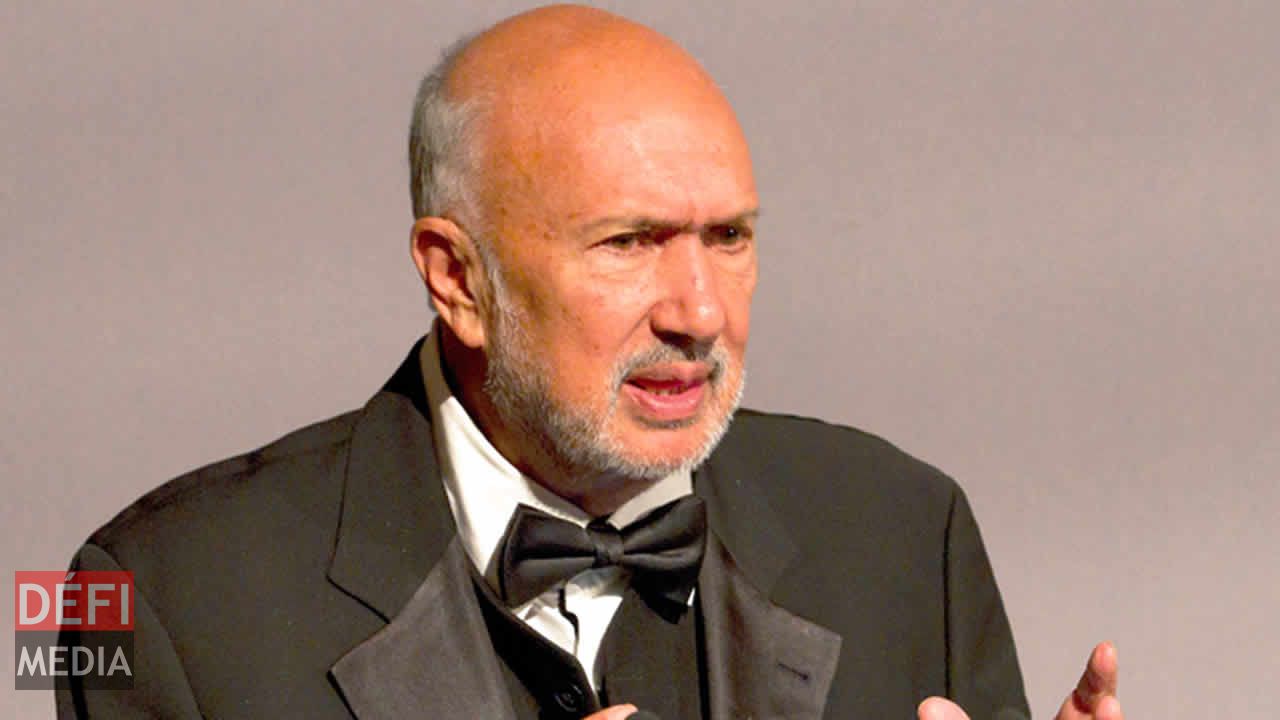
By Dr Michael Atchia
Past Programme Director, United Nations.
“Mauritius needs a vast long-term plan and actions essential for its security. Action is needed as from now, 2026, to be completed fully by 2040 (during this and the next two 5-year mandates, 2030-2035 and 2035-2040).
Since we produce only 30% of the food we eat, we import 70%, including all rice and flour. Poor Mauritius! Fortunately, some efforts to increase food production and storage have started!
We produce only 17.6% of the energy we use from renewables (sun, wind, hydro and biomass). We massively use non-renewable resources such as gas, charcoal and petrol, which we import, the price of which will continue to rise until they suddenly become unavailable on the world market to little Mauritius. The present situation makes Mauritius dependent on exporters and makes the population vulnerable regarding the supply of the key products of food and energy.
Spain has just announced that this year it will produce 100% of its electricity needs from renewables, mainly solar energy, following Denmark, which not only satisfies 100% of all its energy requirements from wind and sun but also produces so much excess energy that it exports it to Germany!
There is no doubt that the need for long-term actions in Mauritius (with results in 4, 10 or 20 years) is less of a priority to governments, which often cannot and do not think beyond the five years of their mandates. This Gouvernement du Changement has four years left before facing the electorate in 2029.
Mauritius needs vast long-term actions essential for its survival.
Energy security can and must be achieved through the large-scale replacement of petrol vehicles by electric ones, the extension of the electric metro across the entire island and a major shift to renewables (sun, wind, hydro and biomass) for electricity production.
Action is needed as from now, 2026, to be completed fully by 2040 (during this and the next two 5-year mandates, 2030-2035 and 2035-2040).
We produce only 30% of the food we eat. We import 70%, including all rice and flour. Poor Mauritius!
We produce less than 18% of the energy we use from renewables (sun, wind, hydro and biomass). We massively use non-renewable resources such as gas, charcoal and petrol, which we import, the price of which will continue to rise until they suddenly become unavailable on the world market to little Mauritius. The present situation makes Mauritius dependent on exporters and makes the population vulnerable regarding the supply of the key products of food and energy.
We count mainly on roads and petrol vehicles for movement and transport. We massively depend on imported fossil fuels (petrol, gas and coal). So, when these become unavailable (due to war, costs or unreliable sea transport), or simply as fossil fuels run out, we will be stuck.
Some of our long-term planning is entirely defective, as illustrated by a recent government proposal to build a new Rs 10 billion motorway from the North via Bel Air to the South.
The right development would be to extend the electric tramway across the island (as per Stefan Atchia’s plan and the former routes of Mauritius Railways during the British era), running on electricity produced by massive solar farms, hence sustainable and independent of imports. Remember again that we produce zero petrol and are unlikely to do so in the future!
Added to this, all new habitat developments must become independent living units where people work, live, recreate, produce biogas, study, obtain medical and social support, and carry out other life activities in the same area, hence being able to reach required facilities on foot or by bicycle.
Similarly, we must plan for freshwater security and living with climate change and climate extremes, which are going to be a problem worldwide but particularly challenging for small island developing states (SIDS) such as Mauritius, Seychelles, the Maldives, Fiji and others.
[[email protected]]
 J'aime