Publicité
[Blog] Sustainability in Transport: For the Next Budget
 Par
Dr Michael Atchia
Par
Dr Michael Atchia
Publié le:
18 June 2026 à 13:40





 Par
Dr Michael Atchia
Par
Dr Michael Atchia
By Dr Michael Atchia, Past Programme Director, United Nations
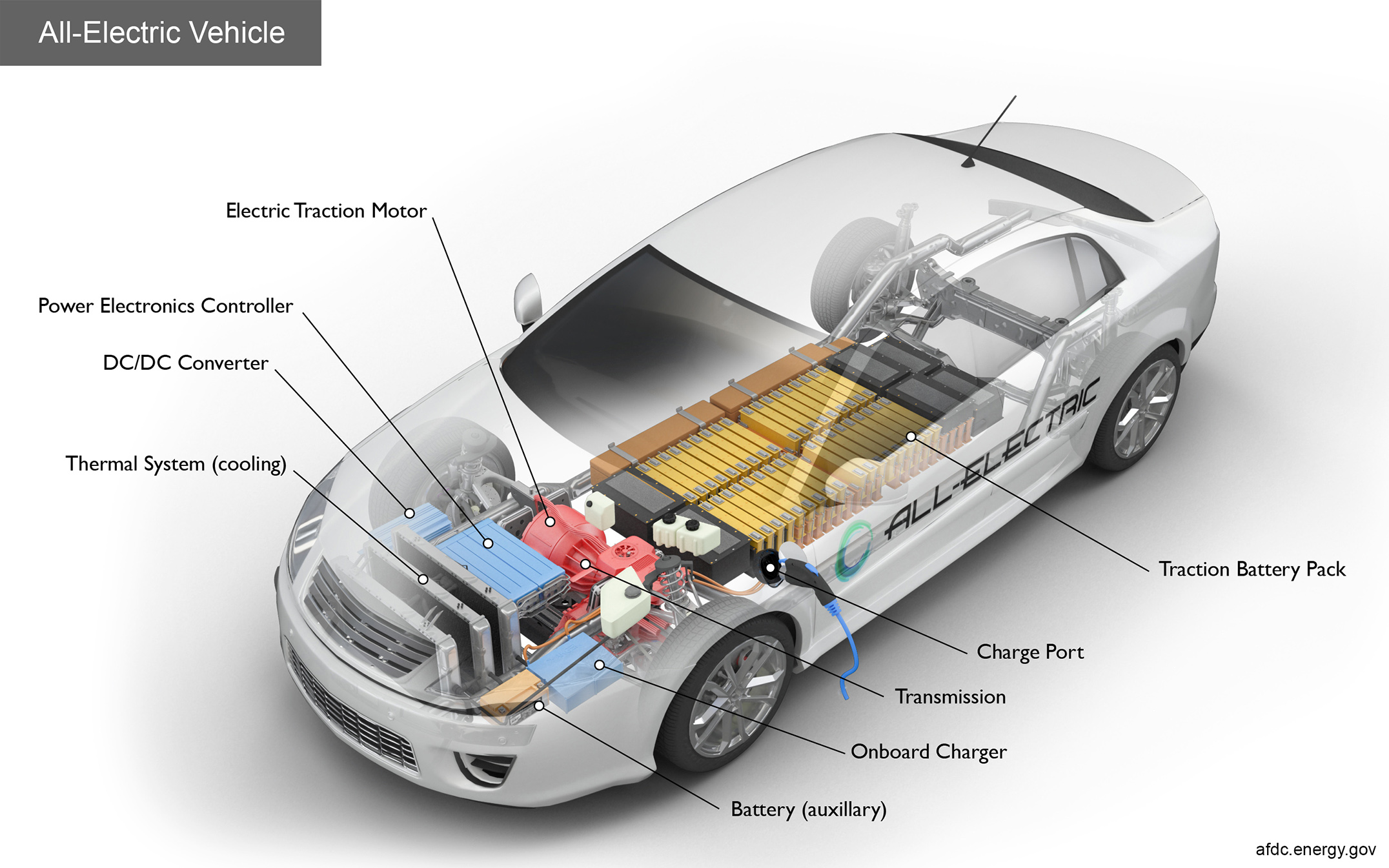
A fleet of electric vehicles + the metro, extended Mauritius-wide, will ensure our mobility when petrol becomes too expensive or is not available.
Essentials for the energy field in the future: Produce/capture energy now mainly (eventually only) from renewable sources of sun, wind and biomass and, when research has made it safe, from nuclear fusion.
Essentials for the transportation field in the future: Move completely away from petrol and other fossil fuels to electric and other renewable resources to propel vehicles, because of the harm fossil fuel burning does to the environment, causing climate change and global warming.
The increasing number of vehicles on our roads may be a sign of economic prosperity, but alongside this, the number of accidents and deaths is on the rise. Our much-improved public transport system (metro + buses) provides an alternative to private cars, which are often driven with only one passenger per car. Tiny Mauritius, with its 2,040 sq km of land, cannot continue adding 18,000 new vehicles per year. The Seychelles solution of zero growth in vehicle numbers (as proposed by Atchia from UNEP in the 1990s and adopted by them) is necessary for Mauritius.
So, we propose, again, for the 2026-27 Budget, a notable shift in favour of electric vehicles. No excise duties on electric and hybrid vehicles, plus a Rs 200,000 grant for each person purchasing his/her first electric vehicle.
Plus an increase in import duty on petrol and diesel vehicles (except some heavy lorries), aimed at curbing petrol and diesel vehicle imports and alleviating road congestion.
Additionally, a proposed initiative suggests converting petrol stations into charging hubs for EVs, potentially using solar power, as well as exploring the possibility of converting older petrol cars into EVs.
The first Budget of the new government went wrong in increasing the cost of importing electric and hybrid vehicles. It also removed the Rs 200,000 incentive for each electric vehicle purchased. It was one of the few good measures introduced by former Finance Minister Padayachy and was very much in line with reducing our 100% dependence on imported petrol, since we do not produce any. A measure to revisit!
A fleet of electric vehicles + the metro, extended Mauritius-wide, will ensure our mobility when petrol becomes too expensive or is not available. Metro/tramway extended along the former routes of Mauritius Railways during the British era, running on electricity produced by massive solar farms. Already, EVs are surging in popularity in Mauritius, accounting for more than 2,300 new registrations in 2025 from leading brands such as BYD, MG, Tata, Kia, Toyota and Nissan. Out of a total of 26,526 new vehicles registered, this has helped push the total number of vehicles in active circulation on the island to a record-breaking 727,120.
Also impose a complete ban on the import of petrol motorcycles. They are noisy, use fossil fuel and, unfortunately, rank first in terms of road accidents and fatalities. Replace them, of course, with electric cycles, which are slower, quieter and safer. This can eventually lead to reduced, close-to-zero, filling-station bills. Using adapted solar-panel power sources, everyone can run their vehicles for free. A fleet of electric vehicles can reduce vehicle running costs almost to zero.
A new proposal is to require all filling stations to install solar panels, batteries and charging booths for electric vehicles, free of charge (or at minimal cost), since the batteries would be recharged using solar energy.
Also, we note the growing availability of technology to transform/convert petrol vehicles into hybrid or electric ones.
 J'aime