
Publicité
[Blog] Mauritius Charts Its Own Path to Water Sovereignty By Dharamraj Deenoo, Researcher and Consultant
 Par
Guest .
Par
Guest .
Publié le:
8 July 2026 à 09:23





 Par
Guest .
Par
Guest .
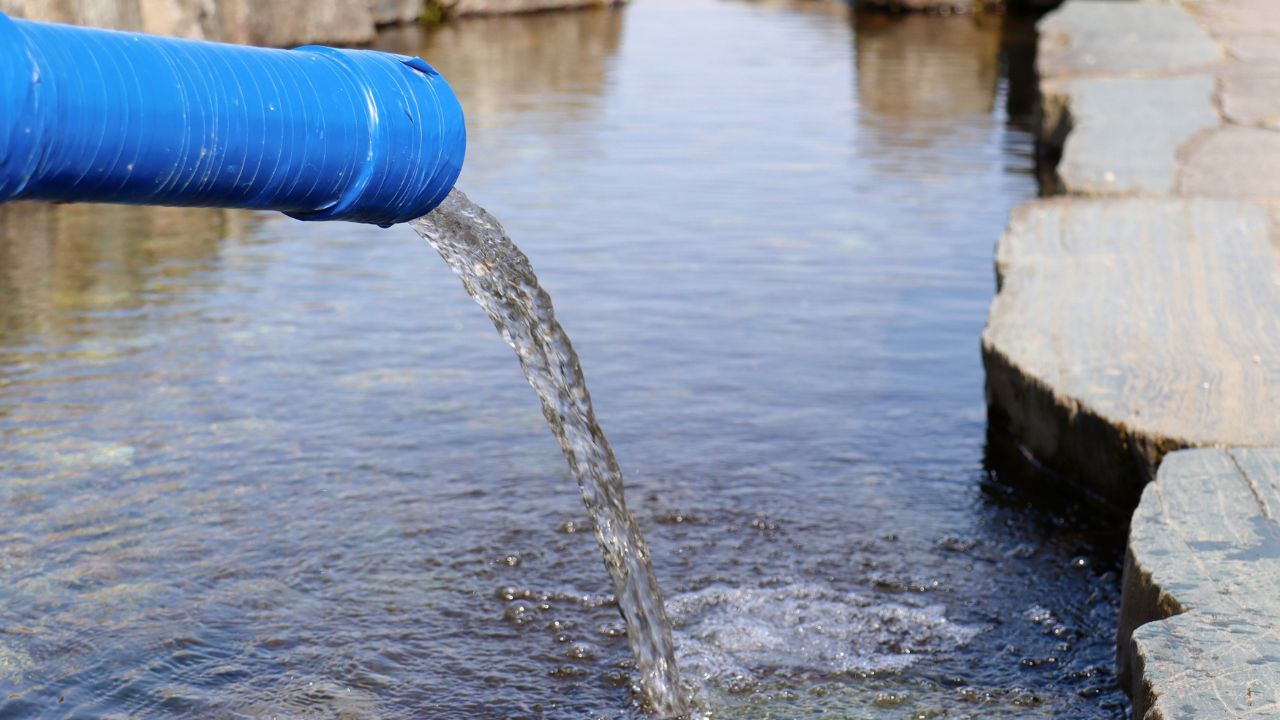
Mauritius stands today at a turning point in its history. The question before us is not simply how to provide water, but how to secure dignity, resilience, and sovereignty for generations to come. Some voices have suggested that we look to Morocco for inspiration in water management. Yet, we must speak with clarity and conviction: Morocco’s model is not appropriate for Mauritius.
Morocco has relied heavily on mega-dams and rainfall, leaving communities vulnerable when droughts strike. Its desalination efforts, though significant, remain tied to fossil fuels, burdening the environment and the economy.
Rural populations often face inequities in distribution, with water access uneven and unreliable. These are not the lessons Mauritius should import. We are an island nation, with unique geography, scale, and climate. Our solutions must be crafted for our reality, not borrowed from systems that falter elsewhere.
Mauritius must instead embrace a vision that is decentralized, renewable, and community-driven. At the heart of this vision lies the immediate deployment of solar-powered desalination plants. Each plant, containerized in a 40-foot unit, will produce 500,000 litres of water per day, certified to WHO standards. With ten such plants strategically placed, Mauritius will add five million litres daily to the Central Water Authority’s network. These plants, guaranteed for 25 years and costing USD 40 million each, represent not just infrastructure, but a promise of resilience.
But desalination alone is not enough. We must also modernize our distribution. Today, Mauritius loses nearly half of its water to leaks and inefficiencies. By deploying AI-driven sensors and predictive analytics, we can detect leaks, illegal tapping, and pipe failures in real time. Utilities worldwide have shown that such systems can save millions of litres daily and reduce major pipe breaks by half. For Mauritius, this means not only saving water but saving costs, ensuring that every drop produced reaches the people who need it.
Our plan also embraces the land and the community. Small-scale dams will retain water and support aquaculture, providing fish, prawns, and eels for domestic use and export. A Rivers Development Authority will oversee these resources, turning water retention into food security and rural employment. Rainwater harvesting will be mandated in schools, hotels, and government buildings, while greywater recycling will reduce demand on potable supplies.
At the household level, we will extend resilience to the most vulnerable. The Government’s scheme to provide tanks and electric pumps is commendable, but we propose to go further: solar-powered water pumps for households. These pumps eliminate electricity costs, provide resilience during outages, and ensure that even the poorest families can access water sustainably.
This is not a borrowed model. It is a Mauritian model - crafted for our island, powered by the sun, purified to WHO standards, guaranteed for a generation, nourished by our rivers, and guarded by our people. It is a model that rejects dependence on fossil fuels, embraces innovation, and places equity at its core.
Mauritius will not import models that falter elsewhere. We will craft our own. Ten plants, tenfold resilience, one island sovereign against drought and decay.
 J'aime